
Back to Articles
Cardiology
Understanding Heart Health
H
HealthCare Medical Team
Understanding Heart Health: How Your Heart Works and How to Protect It
Your heart is one of the hardest-working organs in your body, beating around 100,000 times a day to pump blood to every cell. While heart disease remains a leading global health concern, much of it is preventable. Understanding how your cardiovascular system works and managing key risk factors empowers you to protect your long-term health.
🚨 Emergency Warning Signs: Act Fast
Call emergency services immediately if you or someone near you experiences:
- Heart Attack: Chest pressure/pain, pain radiating to arms/neck/jaw, cold sweats, shortness of breath, or unexplained severe nausea.
- Stroke (FAST): Face drooping, Arm weakness, Speech difficulty → Time to call emergency services.
1. How the Circulatory System Works
The heart functions as a dual-action muscular pump supplying oxygen and vital nutrients through three primary blood vessel networks:
- Right Side of Heart: Receives oxygen-poor blood from the body and pumps it to the lungs for re-oxygenation.
- Left Side of Heart: Receives oxygen-rich blood from the lungs and pumps it out through the aorta to systemically nourish the body.
- Vascular Network: Arteries carry oxygenated blood away; Veins return blood to the heart; Capillaries facilitate gas and nutrient exchange in tissues.
- Coronary Arteries: Supply direct blood flow to the heart muscle itself. Blockages here cause angina or myocardial infarction.
2. Common Cardiovascular Conditions
| Condition | Pathology & Description | Key Impacts |
|---|---|---|
| Coronary Artery Disease (CAD) | Plaque buildup (fat/cholesterol) inside coronary arteries. | Restricted blood flow, chest pain (angina). |
| Myocardial Infarction | Sudden complete blockage of coronary blood supply. | Irreversible tissue damage to heart muscle. |
| Heart Failure & Arrhythmias | Inability to pump effectively OR abnormal cardiac electrical rhythm. | Fatigue, fluid retention, heightened stroke risk. |
| Hypertension | Persistent high arterial pressure stretching blood vessels. | Arterial damage, kidney stress, stroke precursor. |
3. Risk Factors: Modifiable vs. Non-Modifiable
- Non-Modifiable: Advanced age, biological sex (men face earlier risk; women post-menopause), family medical history, and specific genetic/ethnic predispositions.
- Modifiable Lifestyle Factors: High blood pressure, elevated LDL ("bad") cholesterol, smoking, diabetes/prediabetes, abdominal obesity, physical inactivity, high-sodium/processed diets, and chronic stress.
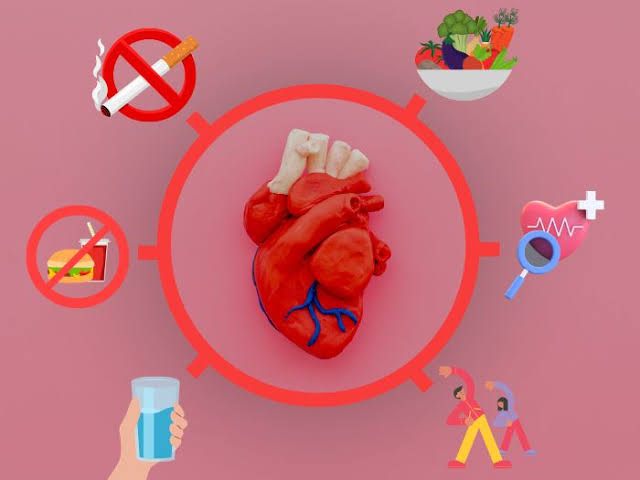
4. Daily Preventive Action Plan
Heart-Healthy Dietary Patterns
- Emphasize: Mediterranean/DASH principles—colorful fruits, vegetables, whole grains (oats, quinoa), lean proteins (fish, legumes), and healthy fats (olive oil, avocados).
- Limit: Sodium intake (< 2,300 mg/day), trans/saturated fats, processed meats, refined sugars, and excessive alcohol.
Physical Activity Targets
- Aerobic Goal: At least 150 minutes/week of moderate activity (brisk walking, swimming) OR 75 minutes of vigorous exercise.
- Strength Training: Resistance exercise twice weekly. Limit prolonged sedentary periods with short walking breaks every hour.
Sleep & Stress Management
- Sleep Hygiene: Target 7–9 hours of restful sleep nightly. Seek medical evaluation for loud snoring or suspected sleep apnea.
- Stress Reduction: Practice deep breathing exercises, mindfulness, regular exercise, and maintain positive social connections.
5. Clinical Monitoring & Screening Checklist
- Blood Pressure Screening: Check annually (or more frequently if blood pressure readings exceed normal limits).
- Lipid Panel & Glucose Testing: Routine blood testing every 4–6 years starting in early adulthood to measure cholesterol and blood sugar levels.
- Non-Emergency Evaluation: Consult your doctor promptly for symptoms like leg swelling, exercise intolerance, persistent palpitations, or shortness of breath with exertion.