

Back to Articles
Orthopedics
Understanding Orthopedic Health
D
Dr. Usman Ali
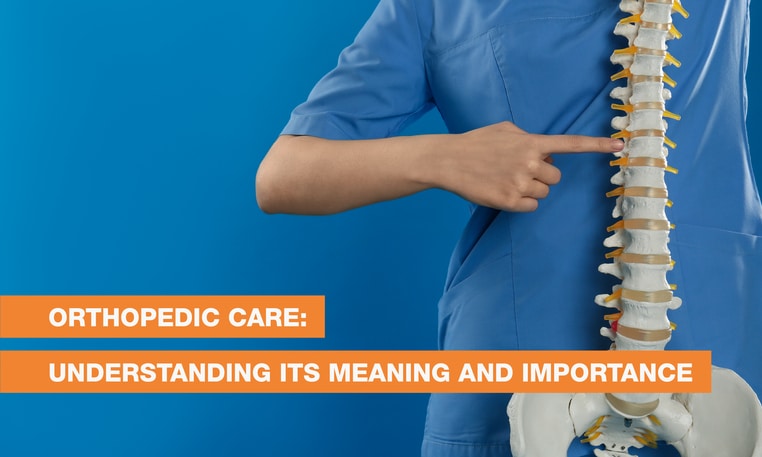
Protecting Your Musculoskeletal System: The Comprehensive Guide to Orthopedic Health
Orthopedic health dictates your ability to move, stand, and stay active. It encompasses your musculoskeletal system—the interconnected network of bones, joints, muscles, ligaments, tendons, and nerves. When this system functions optimally, everyday movement is effortless; when compromised, even simple daily tasks become challenging.
1. Anatomy of the Musculoskeletal System
Your body relies on seven fundamental components working in unison:
- Bones: Provide structural framework, safeguard internal organs, and store vital minerals like calcium.
- Joints: The intersection points of two or more bones that facilitate articulation and movement.
- Cartilage: Flexible, smooth tissue that cushions joints and minimizes friction during motion.
- Muscles: Contractile tissues that generate force to drive movement and stabilize joints.
- Ligaments: Fibrous connective bands connecting bone to bone to preserve joint stability.
- Tendons: Durable cords connecting muscle to bone, translating force into physical motion.
- Nerves & Blood Vessels: Supply control signals, tactical sensory feedback, and essential nutrients.
2. Common Orthopedic Conditions & Symptoms
| Category | Primary Causes & Conditions | Typical Symptoms |
|---|---|---|
| Joint & Arthritis |
|
Persistent pain, morning stiffness, joint swelling, reduced range of motion |
| Spine & Neck |
|
Localized aching, sharp pain during movement, nerve compression |
| Sports & Trauma |
|
Acute pain, immediate swelling, inability to bear weight, instability |
| Pediatric Issues |
|
Developmental delays, uneven gait, visual physical asymmetry |
3. Key Risk Factors
Understanding risk factors allows for proactive risk management:
- Non-Modifiable Factors: Advanced age (cartilage thinning, loss of bone density) and past traumatic injuries.
- Lifestyle Factors: Sedentary habits, poor posture, smoking, excessive alcohol intake, and nutritional deficits (low calcium, vitamin D, or protein).
- Occupational & Physical Demands: Carrying excess body weight, repetitive stress motions, and heavy overhead lifting.
4. Proactive Habits for Long-Term Prevention
Physical Activity & Biomechanics
- Aerobic Exercise: Complete at least 150 minutes per week of moderate activity (swimming, cycling, walking).
- Strength & Core: Perform targeted resistance training 2–3 times per week to reinforce the structural support around key joints.
- Low-Impact Training: Prioritize swimming or elliptical work if pre-existing joint pain is present.
Ergonomics & Posture
- Seated Posture: Maintain feet flat on the floor, knees at or slightly below hip level, and monitor display at eye level.
- Lifting Mechanics: Pivot with your feet, bend at the hips and knees, keep loads close to your core, and avoid torso twisting.
- Device Safety: Position smartphones at eye level and schedule micro-breaks every 30 minutes to stretch your neck and spine.
Targeted Nutrition
- Bone Density: Consume adequate Calcium (dairy, leafy greens) and Vitamin D (sunlight, fatty fish, supplements).
- Muscle Repair: Ingest sufficient dietary protein (lean meats, eggs, legumes) along with supporting micronutrients like Magnesium, Vitamin K, and Omega-3 fatty acids.
5. Clinical Evaluation & Treatment Modalities
When to Consult a Specialist Immediately:
- Inability to bear weight or acute joint deformity following an injury.
- Joint swelling, localized warmth, or pain persisting beyond several weeks.
- Neurological symptoms such as numbness, tingling, or radiation into the limbs.
- Joint locking, catching, or sudden mechanical instability.
Treatment Spectrum
-
Conservative Management:
- Activity modification
- Physical therapy
- Anti-inflammatory medications
-
Interventional Care:
- Corticosteroid injections
- Orthotics & bracing
-
Surgical Intervention:
- Joint replacement
- Ligament reconstruction
- Spinal surgery